
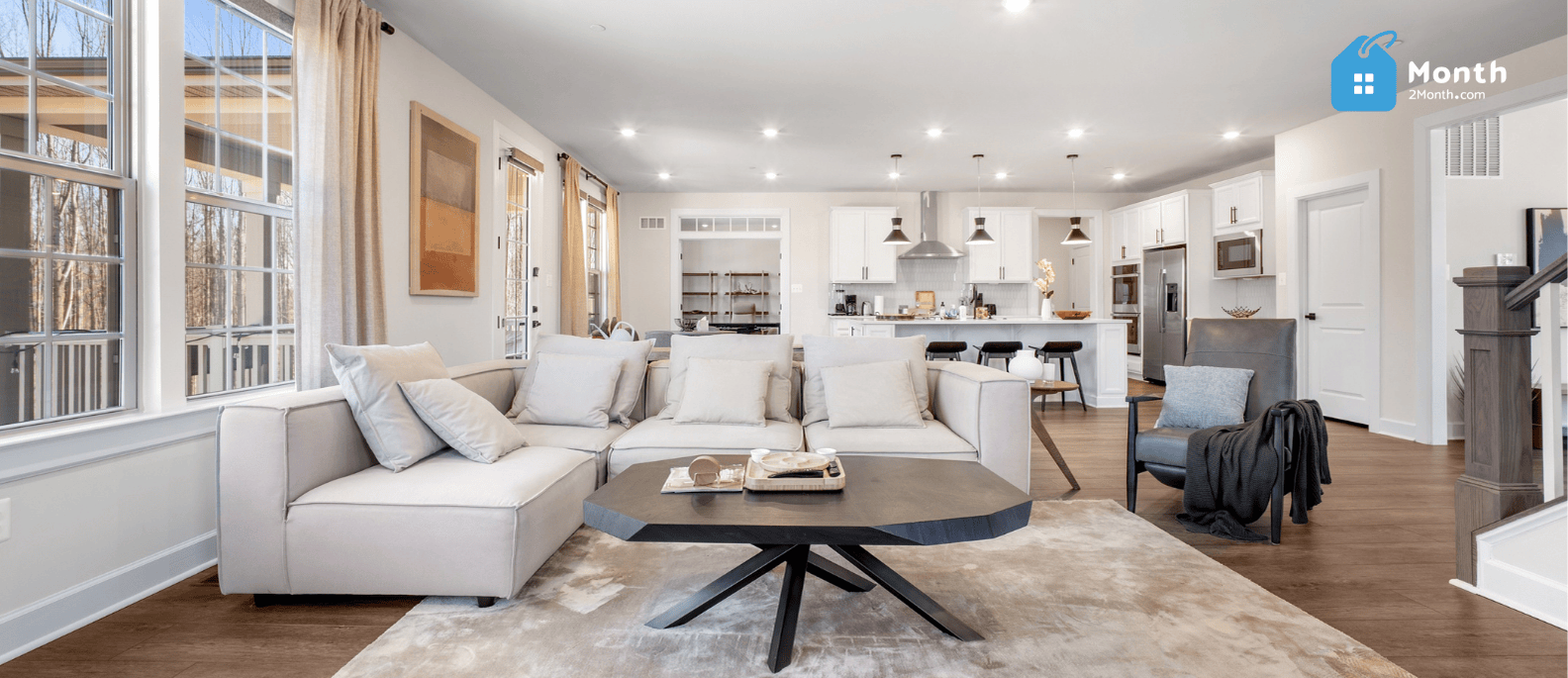
What Is a Mid-Term Rental? A Complete Guide to Monthly Furnished Housing
Mid-term rentals are becoming a core part of today’s housing landscape, offering furnished, flexible homes for people who need more than a weekend stay but less than a year-long lease. This guide breaks down what mid-term rentals are, the renters driving this emerging segment, the challenges they still face today, and how a new generation of professionally managed platforms is reshaping the future of monthly living.
Introduction: Why Mid-Term Rentals Are Growing Fast
Mid-term rentals are no longer a quiet little secret among housing insiders — they’ve grown into one of the most talked-about rising segments in today’s rental landscape. Recent research estimates the global mid-term rental market at USD 74.8 billion in 2024, with a projected 7.1% CAGR from 2025 to 2033, according to Dataintelo. For comparison, traditional long-term rentals typically grow at 2–3% annually, while the short-term rental sector continues to lead the industry with global growth forecasts in the 10–12% range, based on reports from Grand View Research and Precedence Research. Seen in this context, mid-term rentals aren’t far behind the STR category — the current growth leader in real-estate rentals — and are emerging as the next strong contender.
What’s driving that? A pretty big shift in how people live, move, and work. More mobile professionals, families in transition, and employees on relocation are gravitating toward furnished, turnkey homes for 30 days or more — and moving away from hotel rooms, nightly Airbnb stays, or year-long leases that lock them in.
This guide breaks down what mid-term rentals really are, why the category is accelerating, who relies on these monthly furnished homes, and where renters still feel friction today. And last but not least, we need to look at who’s actually doing it right — the platforms that are reshaping what monthly living can feel like as this category continues to rise.
What Is a Mid-Term Rental?
Definition of Mid-Term Rentals
Let’s start with the basics: what actually counts as a mid-term rental? In today’s market, it refers to a essentially a monthly furnished rental available for 30 days or longer, often with the option to continue month-to-month. It’s designed for people who want flexibility and a quality living setup — something more practical and grounded than a nightly short-term rental, yet far easier to settle into than a traditional 12-month lease. In many ways, it sits right in the middle, bridging the gap between quick leisure stays and long-term housing commitment.

Evolving with the demand, monthly rentals have developed a pretty standard setup. Most people now expect:
- Fully furnished interiors
- A functional, usable kitchen
- Utilities, Wi-Fi, and the essentials included
- Turnkey, move-in-ready convenience
- Flexibility to extend month-to-month
- Access to whatever amenities come with the home, apartment, or community



How Mid-Term Rentals Differ From:
Mid-term rentals have carved out their own space in the housing landscape because they solve a set of needs that traditional options simply weren’t built for. Hotels deliver consistency, but they’re designed for nights, not months. Vacation rentals offer variety, but they’re built around leisure travel and owner-controlled calendars rather than flexible monthly living. And long-term leases require a level of commitment that many modern renters aren’t ready to take on. Let’s break down why each one misses the mark for flexible monthly living.
Hotels
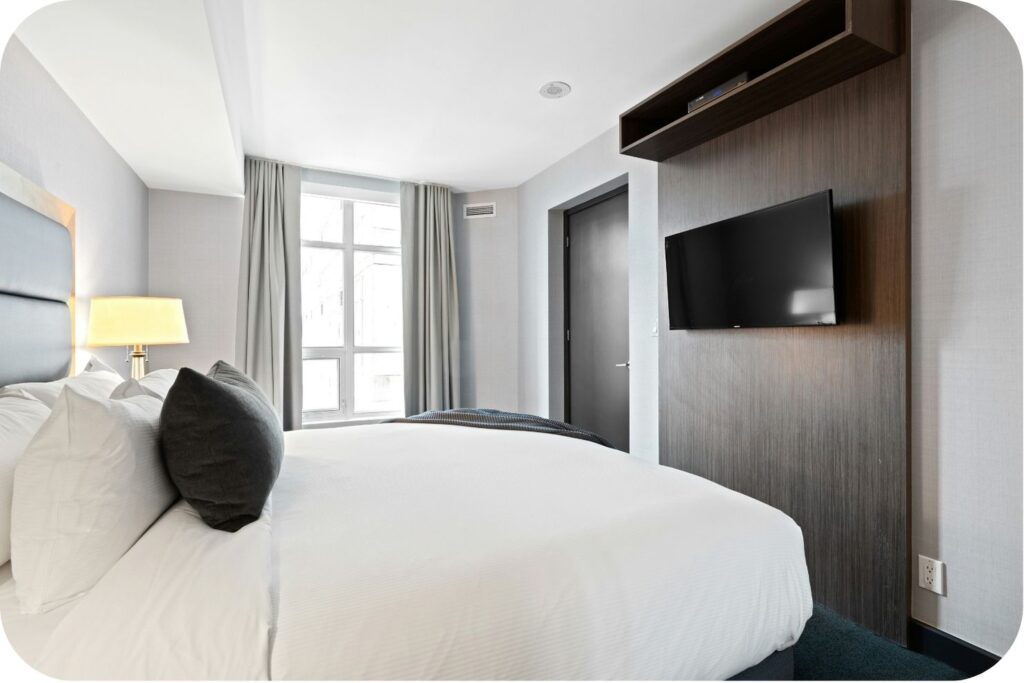
- Limited space and functionality
- Extensions aren’t guaranteed
- Higher nightly costs with frequent price fluctuations
Vacation Rentals
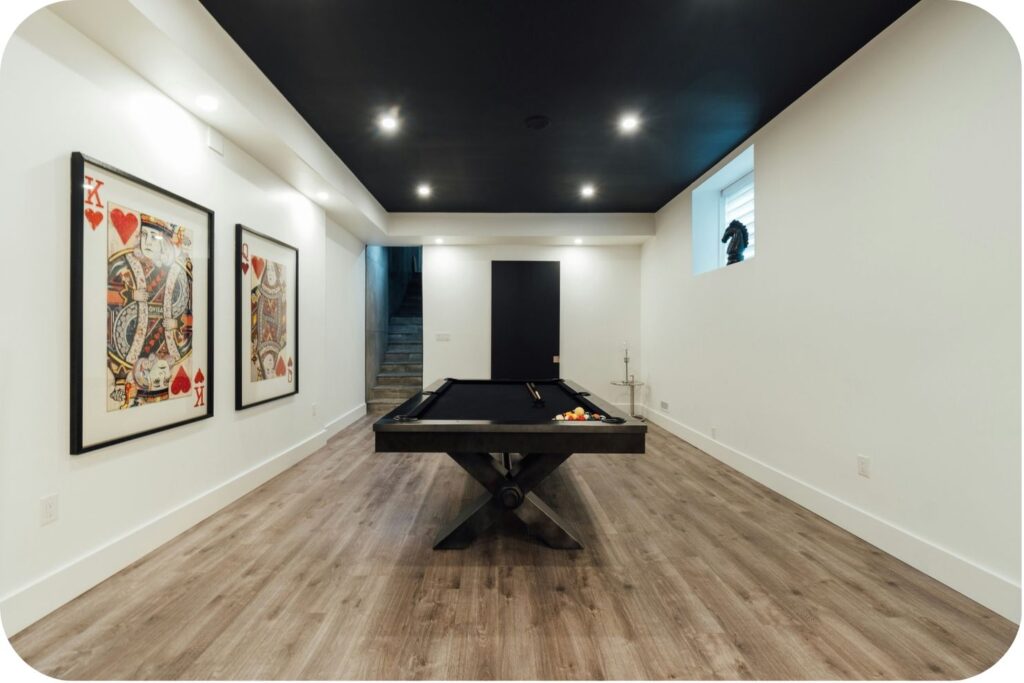
- Inconsistent setup across hosts
- Limited extension flexibility
- Nightly pricing increases costs over time
Traditional Listings
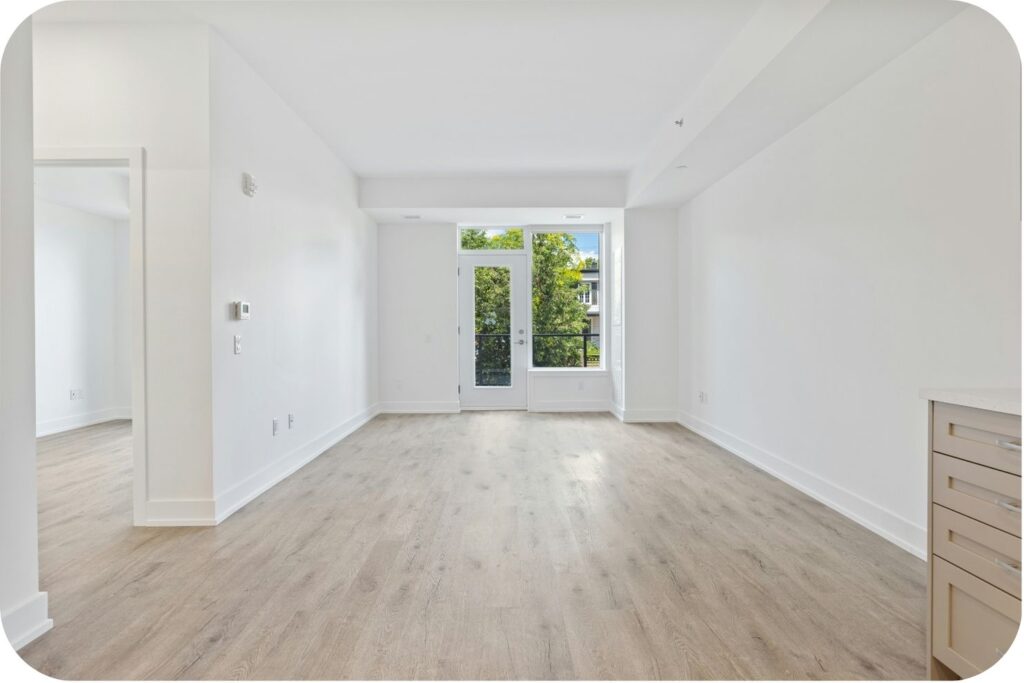
- Unfurnished
- Long-term commitment
- Requires setting up utilities and purchasing essentials
In short, today’s renter wants flexibility without chaos, consistency without commitment, and comfort without the whole “move everything in, move everything out” routine. This is exactly why professionally managed monthly rental platforms are on the rise. Operators like Blueground and Landing have helped popularize the model in urban apartment settings, while Month2Month is bringing that same level of consistency and flexibility to suburban, single-family, and family-oriented neighborhoods.
Who Uses Mid-Term Rentals?
It may seem obvious that the users of short-term rentals and long-term leases sit at opposite ends of the housing spectrum — one seeking flexible, experience-driven stays, the other preferring stable, routine living. But the real story is the growing number of people whose needs fall somewhere in between. These are renters whose lives no longer follow the traditional “move once a year” rhythm: people in motion, in transition, starting a new chapter, or working in roles where adaptability is simply part of the job. Let’s take a closer look at who they are, segment by segment.

Families in Transition
Life doesn’t always line up neatly with a 12-month lease. Families often find themselves between homes — renovating, selling or buying, waiting for a new build to finish, or needing a temporary place during a major life change. For them, a furnished monthly rental offers stability during an otherwise uncertain stretch. It provides a real home to live in, cook in, and settle into, without committing to something long-term or moving belongings multiple times.
For families with kids, pets, or busy daily routines, a furnished single-family home can make all the difference. It lets them keep their lifestyle intact while giving them the breathing room to step confidently into the next phase of their lives. And this is exactly the type of situation hotels and short-term rentals simply weren’t built to support — especially when a family needs stable, quality living that spans multiple months.

Policyholders in Displacement
Most homeowners’ insurance policies include an ALE provision — this stands for “Additional Living Expenses,” — which covers temporary housing and living costs when a covered event makes a home uninhabitable. This might sound niche, but it represents a steady and less visible source of mid-term rental demand. In 2023 alone, 5.3% of insured U.S. homes filed a property damage claim, many involving fire or water loss, according to the Insurance Information Institute.
When a family suddenly cannot live in their home, comparable relocation becomes an urgent priority that unfolds alongside damage evaluation and repair. Insurance carriers and adjusters often rely on hotels as an immediate stopgap, but most displaced families are eventually transitioned into quality monthly rentals that offer the turnkey readiness needed during a stressful period. Having a place that truly feels like home — in a familiar location, with enough space and stability to minimize disruption — becomes a crucial part of helping them regain their footing.
Monthly rentals also simplify logistics for insurance housing companies. Instead of juggling hotels or trying to piece together mismatched short-term rentals, a well-managed MTR provides a predictable, month-to-month solution with clear pricing and availability. It’s why insurance housing continues to be one of the most steady and reliable demand sources in the furnished monthly rental category.
Corporate Relocation & Business Travelers
One of the key drivers behind this rise is the shift toward more flexible workforce models. Industry insights from AIRINC highlight the increasing prevalence of short-term and project-based assignments — many lasting just a few months, long enough for employees to need a real home but not long enough to justify a traditional one-year lease. Viewed through a housing lens, this shift makes furnished monthly rentals an increasingly common solution for companies relocating employees, whether for a temporary assignment or a permanent move.
Compared to hotels or short-term rentals, a monthly rental offers a more grounded way of living: a real kitchen, more space, and a neighborhood where employees can actually build a routine. For business travelers on multi-month assignments, the cost structure is often more predictable as well. And for companies, the ability to extend month-to-month without disruption is a major advantage, reducing the need to rebook or relocate employees mid-project.
(Students, interns, and early-career professionals fall into a similar category — they often need housing for one semester or one work rotation, making MTRs an easy fit without the burden of long leases.)


Healthcare Travelers
Healthcare travel has become one of the strongest and most predictable sources of monthly rental demand. The U.S. has over one million travel nurses, along with a growing population of mobile medical specialists and clinicians. A typical travel nursing contract lasts around 13 weeks, which is long enough to require a real home — but far too short for a traditional 12-month lease to make sense.
For these professionals, the appeal of a monthly rental is straightforward: a furnished, stable, cost-efficient home close to the hospital or care center. Many healthcare workers move from city to city throughout the year, so having utilities set up, furniture in place, and a consistent living standard makes each transition drastically easier.
This segment tends to value practicality over luxury, prioritizing a clean, well-managed space at a fair monthly rate rather than paying premiums for amenities they won’t use. That combination — mobility, assignment length, and the need for turnkey housing — is exactly why healthcare workers have become a cornerstone of the monthly rental market.
Common Pain Points in Today’s Mid-Term Rental Market
Even though the needs for monthly rentals are rising across different demographics and life stages — a sign that this demand is both widespread and universal — the market still lacks a unified solution built specifically for these renters. Today, renters still look for furnished month-to-month housing everywhere in the rental ecosystem: Airbnb, Zillow, Craigslist, Facebook groups, corporate housing sites, and direct listings. Most platforms were built for either short stays or long leases, or even lack of housing specialization, so renters end up squeezing themselves into systems never designed for their needs. This patchwork approach leads to recurring frustrations — let’s break down the issues renters know all too well.

1. No standard process across platforms
One of the biggest challenges in today’s monthly rental landscape is the absence of a clear, industry-wide process. There’s simply no standard playbook for how monthly rentals should work. Instead, renters are stitching together housing experiences based on whatever rules and norms exist on each platform.
On Airbnb, the process can feel straightforward once the host accepts the booking. But the moment renters shift to platforms like VRBO, Zillow, or private listings, the workflow changes completely. Some require signing separate lease agreements, others rely on offline communication, and each uses different expectations around payment, screening, verification, and extension. A renter might breeze through one booking with instant confirmation, then find themselves juggling PDFs, email threads, and manual approvals for the next.
In practice, this means renters are forced to learn a new “handbook” every time they switch properties — a different set of terms, processes, rules, and flexibility depending on the host or platform behind the listing. For people who move often or need housing quickly, the lack of a seamless, predictable experience becomes a major friction point.
2. Inconsistent furnished quality
If there’s one thing the shared economy has taught renters, it’s that “fully furnished” is hardly a precise definition. The abundance of listings across platforms brings plenty of choice, but it also brings wide variability in quality — a pattern echoed in broader rental research from the Harvard Joint Center for Housing Studies. What a renter ends up living in often depends entirely on how much effort — and budget — an individual owner decides to invest in the property.
For many hosts, a rental is a side business or passive income stream. But for tenants staying one to three months, that home becomes their entire living environment. The stakes are simply different. A sofa meant for occasional guests becomes someone’s daily spot to unwind after work; a “just-in-case” kitchen becomes a family’s main meal prep space. And because short-term rental platforms train users to move fast — book instantly, skim reviews, scroll past photos — renters often commit to months of living based solely on text, pictures, and hope.
Everything can be done quickly online and anyone can become a host, but the tradeoff is that tours are rarely offered, and quality standards vary wildly. And for a stay long enough to count as real living, that inconsistency matters.
3. Slow booking experience
Regardless of platform, most monthly rental bookings still hinge on one unavoidable step: communicating with a real person behind the listing. That could be a host, a property manager, a leasing agent, an owner, or someone acting on behalf of someone else. And depending on who responds — and how fast — the experience can be smooth, stressful, or somewhere in between.
The topics are usually the same (pricing, dates, utilities, pets, extensions), but the pace of communication varies drastically. Some hosts reply within minutes; others take days or require internal approval from another party. The amount of back-and-forth can be unpredictable, and every renter knows the feeling of not being sure whether a home will actually be secured in time.
Personalized communication isn’t the problem — it can be charming, even helpful. But for renters who simply need to lock in a home quickly, especially in situations involving relocation, medical assignments, or insurance claims, the process can feel unnecessarily slow and uncertain.
4. Lack of extension flexibility
Short-term rental platforms are built to maximize nightly occupancy and optimize daily revenue — which means calendars are kept wide open for future travelers. That makes month-to-month extensions almost impossible to guarantee. A renter may love the home and want to stay longer, but if a weekend traveler books a three-night stay, they’re suddenly forced to move.
Even on platforms outside Airbnb, extension depends entirely on the host’s willingness, availability, and rules. And without a platform that coordinates or enforces extension logic, hosts naturally prioritize whichever booking guarantees upcoming rent revenue. As a result, renters end up choosing between overcommitting to a longer stay (and paying for time they might not use) or moving again midway through an already unsettled period of life.
For people dealing with repairs, renovations, insurance displacement, or project-based work, this challenge becomes even more pronounced. These timelines rarely follow exact schedules — delays and early completions happen all the time. Yet most platforms still require renters to fit their lives around the rules, rather than the other way around.e manual paperwork are part of that route.
5. Hidden or unpredictable fees
Different platforms mean different pricing structures — and different interpretations of what a “monthly rate” actually includes. This is one area where renters often accept the trade-offs. Some prefer Airbnb for the convenience of paying with a credit card or PayPal, even if platform fees run higher. Others gravitate toward Zillow or private listings to avoid service fees altogether, knowing upfront deposits and more manual paperwork are part of that route.
But this raises a bigger industry question: where will mid-term rental owners choose to list in the long run? If MTR supply remains scattered across STR platforms, traditional listing sites, and informal channels, pricing rules will remain just as scattered. And with a higher perceived risk on 30+ day stays — compared to short, tightly controlled STR bookings — there’s no guarantee that “no deposit” or today’s overly simple approval process (often just a quick glance at a renter’s previous host reviews) can scale without more robust systems and automated screening in place.
For now, renters simply adapt. But the lack of predictability across platforms adds yet another layer of complexity to an already fragmented search process.
How Professionally Managed MTR Platforms Deliver a Better Monthly Living Experience
As these pain points persist, a new category of housing platforms has begun to emerge — centralized, professionally managed monthly rental providers built specifically for monthly living. Companies like Blueground and Landing have helped popularize this model in the apartment space, standardizing furnished units, simplifying bookings, and offering month-to-month flexibility across urban multifamily buildings. But the single-family home segment has remained largely underserved, despite being the preferred living environment for relocating employees, families in transition, and insurance housing clients.
That’s where Month2Month comes in — a fast-expanding platform that centralizes the management of fully furnished single-family homes across 18 U.S. states plus Toronto, Canada. In the following section, we’ll take a closer look at how Month2Month designs its product around the real needs of monthly renters — addressing pain points with solutions that are both practical and transformative, and helping shape what the new norm for furnished monthly housing could look like.

1. Hotel-Class Consistency in Furnished Single-Family Homes
Month2Month manages and furnishes its homes with a consistent, move-in-ready standard — built on more than a decade of experience serving renters across insurance housing, corporate relocation, and families in transition. Walking into a Month2Month home means knowing exactly what to expect: no surprises, no overpacking, and no scrambling for supplies or deciphering complicated instructions on day one. It’s a level of consistency rarely found in the single-family rental world, and it directly addresses one of the biggest challenges mid-term renters face: unpredictable furnishing quality.
2. Instant, standardized Online Booking for 30+ Day Stays
To solve the slow and unpredictable booking experience common across monthly rental avenues, Month2Month built a streamlined online booking flow designed specifically for 30+ day stays. Automated screening is integrated directly into the application, striking the balance renters want — a simple, five-minute, fee-free path to securing a home — without compromising owner protection. Renters can review terms, sign the lease electronically, and pay move-in costs in one clean sequence. And for insurance and corporate clients, verification becomes even easier: key documents can be uploaded directly within the application, cutting down on back-and-forth and speeding up placements when timing matters most.
3. Flexible Extensions Prioritizing Renter’s Timeline
Without a mid-term ecosystem built around their needs, extension uncertainty becomes the biggest compromise monthly renters are forced to make. Month2Month addresses this by partnering with owners who intentionally invest in the mid-term model — allowing calendars to align with the renter’s timeline rather than daily tourism demand. Renters can extend with as little as 14 days’ notice, whether it’s for a few days or several months. This gives them the freedom to adjust to real-world timelines — repairs, relocations, project work — without committing to longer stays than necessary or paying for unused time.
4. No Platform Fees or Hidden Charges
Complex pricing structures create confusion — and often, unnecessary costs. Month2Month keeps things simple: no platform fees, no surprise add-ons. Every home and service is delivered as one unified product, built on a sustainable and exclusive partnership with each homeowner. Instead of maximizing volume or treating listings as unlimited shelf space, Month2Month operates every home like a distinct product, matching it with the renters who will benefit most from living there. Renters can then choose from three clear plans — Diamond, Gold, and Silver — based on their preferences around deposits and utility payments. By removing hidden layers of cost and friction, Month2Month lets renters focus their time and energy on settling in, not decoding fees.
5. 24/7 Dedicated Support from One Professional Team
Instead of coordinating between hosts, owners, agents, or property managers, Month2Month renters work with a single dedicated team for everything — tours, maintenance, extensions, and urgent needs. This removes the guesswork and delays common on traditional platforms, where support depends on how quickly a host replies and how resourceful or well-connected they happen to be. Month2Month’s operations and support teams are always on standby, delivering professional, consistent service so renters can truly live like they own the place — without the stress that usually accompanies month-to-month housing.
Conclusion: The Future of Mid-Term Rentals
The furnished monthly rental category is no longer a niche or transitional corner of the housing market — it’s becoming a mainstream option for how people live, relocate, and move through life’s in-between chapters. As this guide explored, renters across every stage — families in transition, displaced policyholders, relocating employees, and traveling healthcare professionals — all share a common need: a furnished home that offers stability, comfort, and flexibility without the friction of traditional leasing or the unpredictability of short-term platforms.
Yet today’s ecosystem still leaves many renters navigating inconsistent furnishing standards, slow communication, unclear extension policies, and pricing that varies platform by platform. These gaps have opened the door for a new wave of professionally managed MTR platforms designed specifically for 30+ day living — standardizing quality, simplifying booking, aligning calendars with renter timelines, and offering the kind of support that turns a temporary stay into a livable home.
As this segment matures, the question is no longer whether mid-term rentals will grow, but how quickly they will become the default solution for flexible, furnished housing. And with platforms raising the bar on consistency, service, and transparency, the future of monthly living is becoming not just more accessible — but more intuitive, predictable, and renter-first than ever before.
You Might Also Be Wondering…
Discover a better way to rent monthly — with Month2Month’s expertly managed, consistently furnished single-family homes, flexibly offered for effortless, family-first living.

Furnished Rentals for Every Life Transition
More than housing — a real home where your family can feel settled through every change.